 New Jersey Employment Lawyer Blog


New Jersey is about to provide important new protections to workers who need time away from their jobs due to a family or disability leave. Starting on July 17, 2026, an amendment to the state
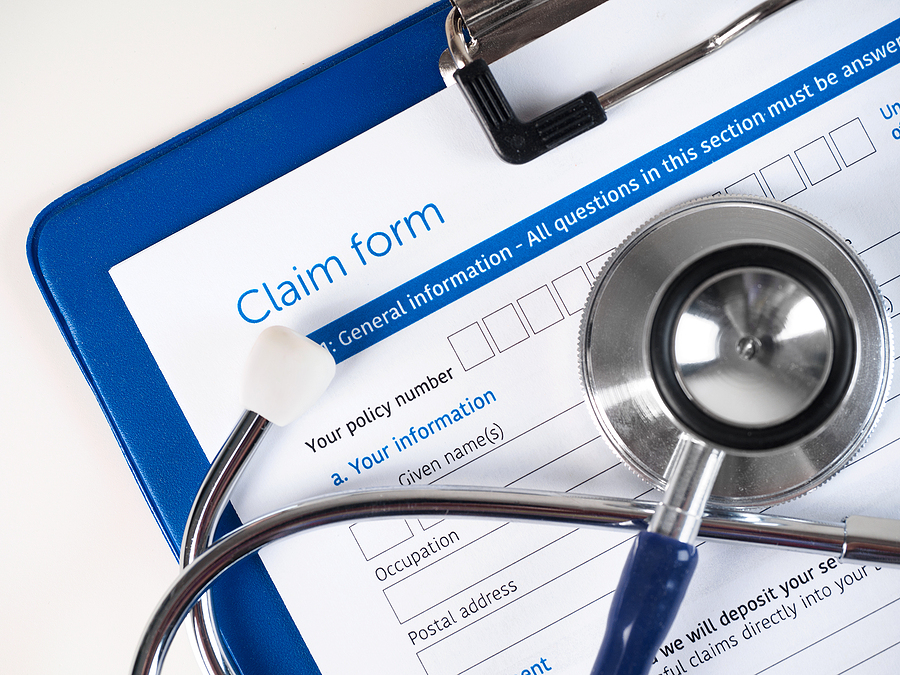
temporary disability insurance and family leave insurance laws adds a new entitlement to reinstatement for employees who receive either of those benefits. In plain terms, the laws that pay part of your wages while you recover from a serious illness, welcome a new child, or care for a sick family member will now also address whether your employer is required to give you your job back.
If you collected these benefits and were not returned to your position, a New Jersey employment lawyer can help you understand whether this change applies to your situation. The attorneys at Rabner Baumgart Ben-Asher & Nirenberg, P.C. represent employees throughout New Jersey and follow employment law developments like this one closely.
How New Jersey Temporary Disability and Family Leave Insurance Work
New Jersey runs two state insurance programs that replace part of a worker’s pay during certain absences. Temporary disability insurance, often called TDI (and sometimes referred to as short term disability, or STD), applies when you cannot work because of your own illness, injury, pregnancy, or recovery from childbirth that is not related to your job. Family leave insurance, often called FLI, applies when you take time off to bond with a new child or to care for a family member with a serious health condition. Most employees in the state contribute to these programs through payroll deductions, and most employees can collect benefits when a qualifying need arises. Pregnancy and recovery from childbirth, which fall under temporary disability, often overlap with the workplace protections explained on our pregnancy discrimination page.
Until now, these laws did one thing. They replaced a portion of lost wages, but they said nothing about your job. An employer could pay into the system, watch an employee collect benefits, and still decline to take that employee back at the end of the leave without violating either of these laws. The right to return to work, and the right to be placed in the same or an equivalent position, came from other laws.
What Other Laws Required Reinstatement Before This Change
Before this amendment, the right to be reinstated to your job after a family or disability leave mainly came from two sources: the federal Family and Medical Leave Act (FMLA) and the New Jersey Family Leave Act (NJFLA). Both of those laws guarantee job-protected leave, but both limit who qualifies. However, neither the FMLA nor the NJFLA apply to smaller employers, and both have requirements with respect to how long you have worked for your employer and how many hours you have worked for your employer in the past year. You can read more on our family and medical leave page. In addition, even for covered employees, both of those laws provide only a maximum of 12 weeks off from work.
The practical result was a coverage gap. A worker could be fully eligible for state disability or family leave benefits, collect them for weeks, and still fall outside the reinstatement protections of either statute. That worker received income during the absence, but had no guaranteed job to which to return. Lower-wage employees, part-time employees, employees working for smaller businesses, and employees who needed more than 12 weeks off were the most exposed. A worker who was let go rather than reinstated often had to rely on a wrongful termination theory, which you can read about on our wrongful termination page.
 t-setting New Jersey Appellate Division decision is a reminder that courts will look past labels and examine how a PTO policy works in practice to determine whether it complies with the law.