 New Jersey Employment Lawyer Blog


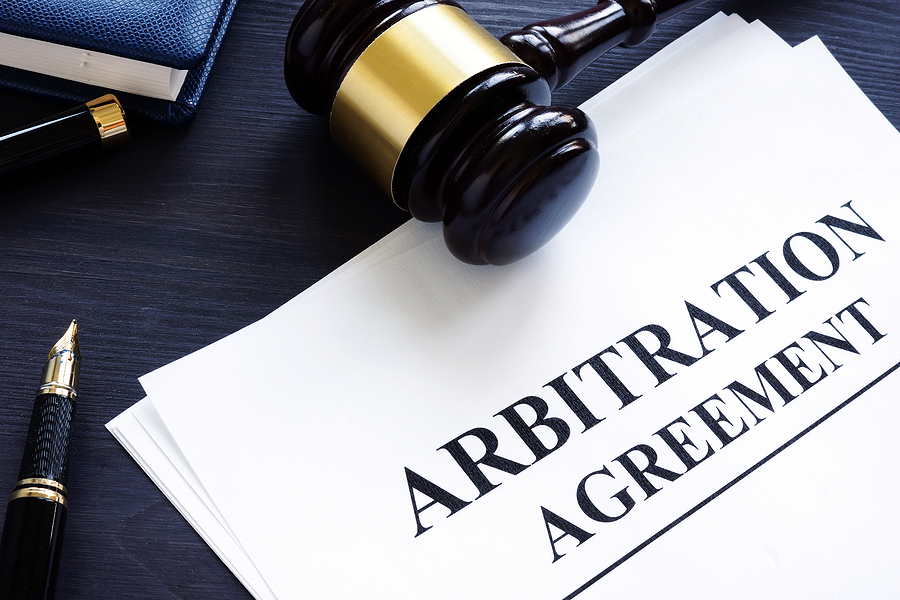
Arbitration is widely believed to favor big business over individuals. I have written numerous articles about forced arbitration, including cases that enforced arbitration of employment law claims, and ones that overturned such provisions. In my law practice, I have fought against forced arbitration on many occasions.
Yesterday, President Biden signed the Ending Forced Arbitration of Sexual Assault and Sexual Harassment Act of 2021 into law. As its name suggest, this law now prohibits forced arbitration of sexual harassment and sexual assault claims. The law received bipartisan support in Congress, a rare feat in the current political climate.
The new statute deems that a person who files a case in which he or she alleges sexual harassment or sexual assault cannot be forced to be bound by an arbitration agreement or class or collective action waiver that he or she entered into before the dispute arose. However, the person asserting the sexual harassment or assault still can chose to enforce an arbitration agreement. Likewise, parties still can agree to enter into arbitration agreements after a dispute involving sexual harassment or sexual assault if that is their preference, and either party can enforce such an agreement.




 When they began working for Travelers, Mr. Vilches, Mr. Sheehan and Mr. Costeria each signed agreements which require them to pursue their legal claims against Travelers through arbitration. Those agreements do not say, one way or the other, whether they can bring a class action in arbitration. Travelers later modified its arbitration policy to say that employees cannot bring class action cases. However, Mr. Vilches, Mr. Sheehan and Mr. Costeria never agreed to that new policy.